Source Non Disposable Baby Bath Mat for Bath, Kitchen, and Tableware
Compare 30 non disposable baby bath mat options from global suppliers. Explore materials like sponge and PVC, various sizes, and customization features for bath and kitchen use. Check MOQs, certifications, and packing details to find the right fit for your business needs.
Key considerations
Products List


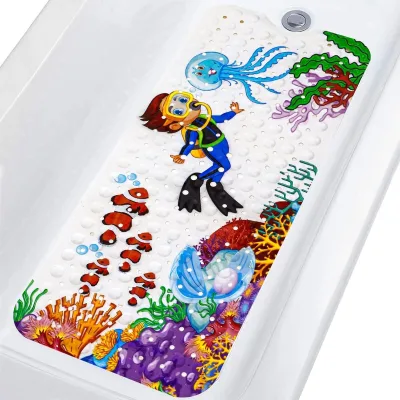
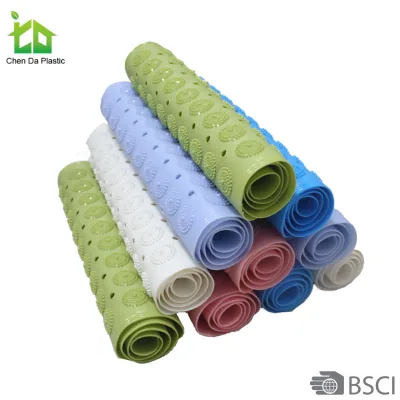


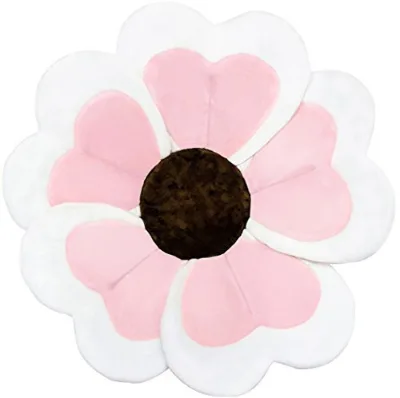
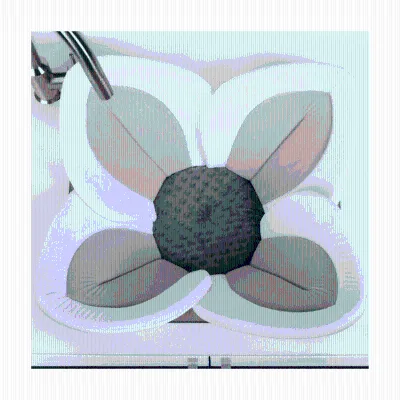
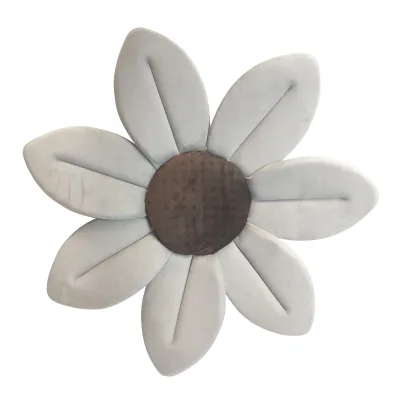
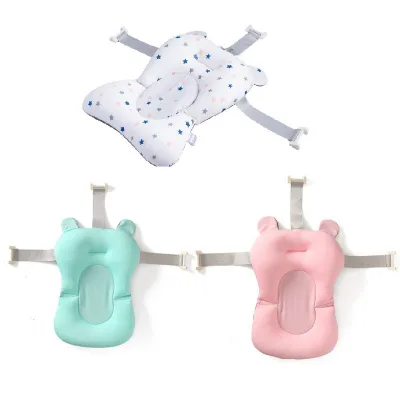
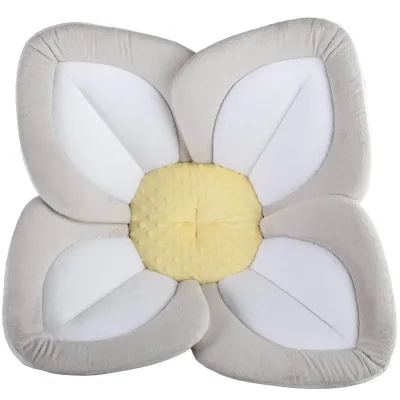
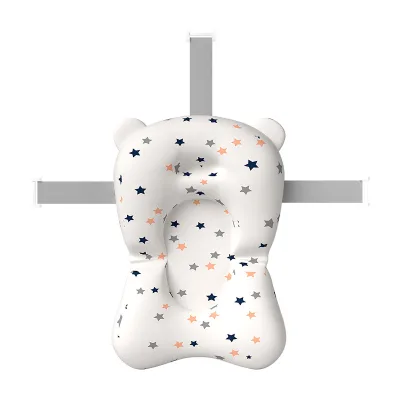
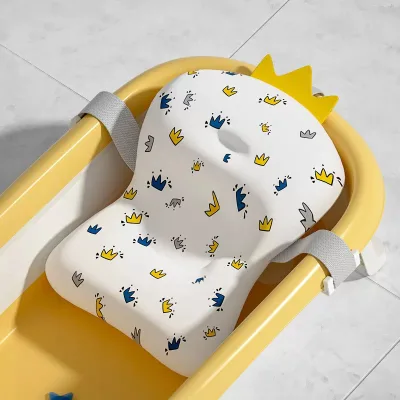
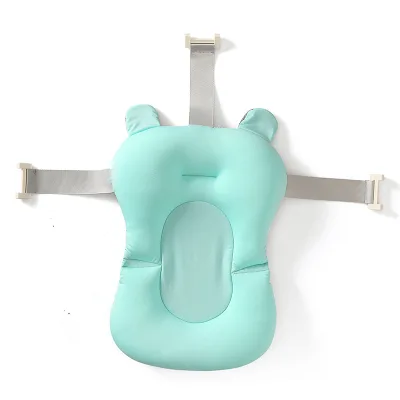
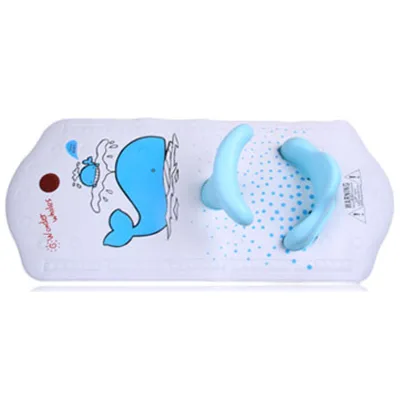
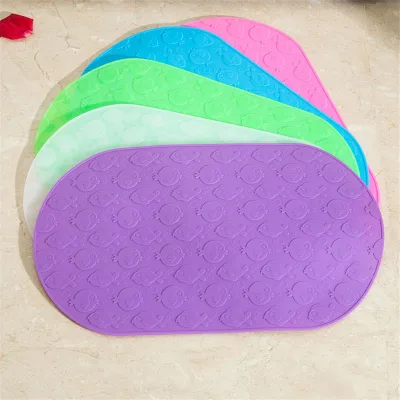
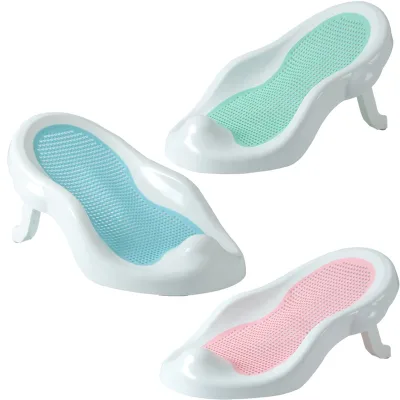
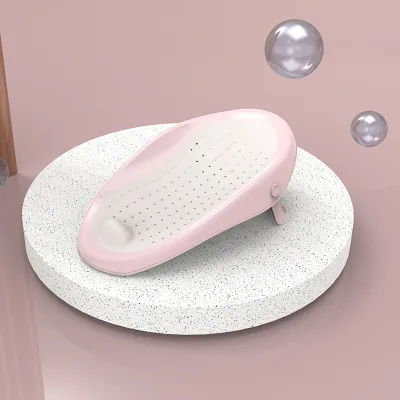
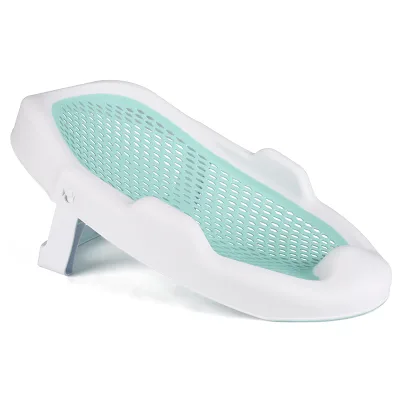
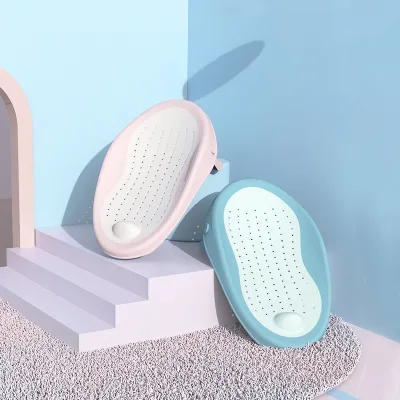
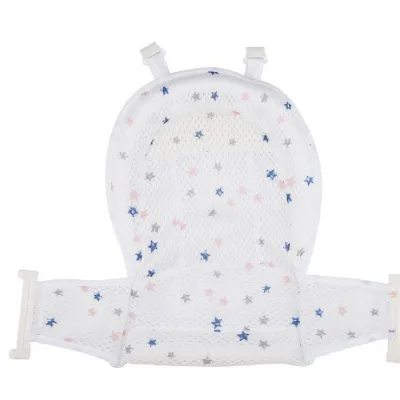
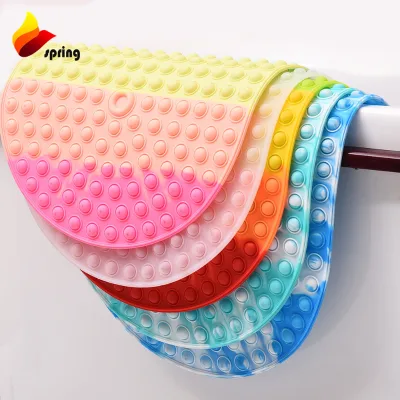


Comprehensive Sourcing Guide
Non Disposable Baby Bath Mat Sourcing Guide
Procurement professionals must first distinguish between general bath mats and specialized non-disposable baby bath mats, as the latter requires specific safety and material attributes. The observed market data indicates a diverse range of products, including sponge and PVC-based options, with applications spanning bathtubs, shower rooms, and general kitchen or tableware cleaning. Buyers should verify that the selected product explicitly targets infant safety, ensuring the material composition and surface texture are suitable for delicate skin rather than general household cleaning.
The sourcing landscape reveals significant variation in customization capabilities and packaging standards, which directly impacts logistics and branding strategies. While some listings highlight eco-friendly features and specific design styles like American or solid patterns, others focus on machine-made efficiency with high supply abilities. It is critical to align the product's intended usage, such as a bathtub mat or shower room mat, with the supplier's actual production capacity and the specific model numbers available, such as C-40100P or BSBY-002, to ensure a precise match for your inventory needs.
Product Scope and Observed Listing Signals
Buyers should analyze the observed product attributes to confirm the item meets the non-disposable requirement, noting that materials range from sponge to PVC, each offering distinct durability and cleaning profiles. The data shows that while some products are marketed for general bath use, others specify applications for bathtubs or shower rooms, requiring careful selection to ensure the mat provides adequate slip resistance and comfort for infants. The presence of customization options allows for tailored solutions, but the core material must be robust enough for repeated washing and long-term use without degradation.
Commercial signals indicate a wide MOQ range from 10 to 3000 units, with specific listings citing 50, 500, or 1000 pieces as entry thresholds. This variability suggests that buyers can negotiate based on their volume requirements, though the standard packaging often involves cartons, OPP bags, or shrink wraps depending on the manufacturer. Understanding these listing signals helps in forecasting inventory costs and determining the most efficient order size, ensuring that the selected supplier can meet the specific quantity demands without compromising on the non-disposable quality standards required for baby products.
Technical Specifications to Verify
Technical verification must begin with precise dimensional analysis, as observed listings provide specific sizes like 40x100cm, 36x71cm, or 49x32x5.5cm, which dictate the fit within different bathtub configurations. Buyers should confirm that the single package size and gross weight align with their shipping constraints, noting that some units weigh approximately 1.0 kg per piece. Ensuring the model number and physical specifications match the intended application is essential, as a mat designed for a standard tub may not fit a specialized baby bath setup, potentially leading to safety hazards or product returns.
Material composition and manufacturing techniques are equally critical, with data indicating options ranging from machine-made sponge to PVC constructions. The presence of features like eco-friendly claims or specific design styles such as American or solid patterns should be validated against the actual material properties to ensure they meet safety expectations. Buyers must verify that the technical specifications, including the shape and pattern, are consistent with the supplier's production capabilities, ensuring that the final product delivers the necessary durability and texture for safe infant use without unexpected variations in quality.
Compliance and Safety Documentation
Safety documentation is paramount for baby products, and buyers should prioritize suppliers who can provide certifications such as BSCI, WCA, or ISO14001, which indicate adherence to social and environmental management standards. While some background information mentions GOTS or OEKO-TEX, these should not be assumed without explicit verification from the supplier. The procurement process must include a request for current test reports that confirm the material is free from harmful substances, ensuring the non-disposable mat is safe for prolonged contact with a baby's sensitive skin and complies with relevant international safety regulations.
Compliance also extends to the origin and production standards, with observed data pointing to origins in China and Germany, each potentially subject to different regulatory frameworks. Buyers must verify that the product standard, whether listed as "as shown" or specific dimensions, aligns with the safety requirements of their target market. It is essential to request documentation that proves the product meets the specific safety standards for baby bath mats, ensuring that the supplier's claims regarding eco-friendly features or material safety are backed by credible, up-to-date certification rather than unverified marketing statements.
Cost Drivers and Commercial Terms
Cost drivers in this category are heavily influenced by material selection, with PVC and sponge options presenting different price points and durability profiles. The observed price range of 0.66 to 13.3 USD reflects this variability, suggesting that buyers should evaluate the total cost of ownership rather than just the unit price. Factors such as customization, packaging type, and the specific model number can significantly impact the final cost, requiring a detailed breakdown of expenses to ensure the selected product offers the best value for the intended non-disposable application.
Commercial terms, including MOQ and supply ability, play a crucial role in budgeting and inventory planning, with listings showing supply abilities up to 300,000 bags per month. Buyers must negotiate terms that align with their sales volume, considering that some suppliers require minimum orders of 50, 500, or 1000 pieces. Understanding the relationship between the MOQ and the unit price is essential for optimizing cash flow, while also ensuring that the supplier can maintain consistent quality and delivery schedules as order volumes scale up over the long term.
Supplier Qualification and Quality Control
Supplier qualification requires a thorough assessment of their production capabilities, particularly their ability to maintain consistent quality across large batches of non-disposable baby bath mats. Buyers should verify the supplier's technical skills, such as machine-made processes, and their capacity to handle customization requests without compromising the product's structural integrity. The presence of OEM services and specific model numbers indicates a level of professionalism, but direct verification of their quality control protocols is necessary to ensure that every unit meets the strict safety and durability standards required for infant products.
Quality control measures must be established early in the procurement process, focusing on material consistency, dimensional accuracy, and packaging integrity. Buyers should request samples to test for slip resistance, material softness, and resistance to mold or degradation, which are critical for non-disposable items used in wet environments. Establishing clear acceptance criteria and conducting regular audits of the supplier's production line will help mitigate risks, ensuring that the final delivered products consistently meet the high standards expected for baby bath mats and maintain the brand's reputation for safety and reliability.
Long-Term Procurement Checks
Long-term procurement success depends on establishing a robust relationship with suppliers who can adapt to changing market demands and regulatory requirements. Buyers should regularly review the supplier's performance against key metrics such as delivery lead times, defect rates, and responsiveness to customization requests. The ability to maintain a steady supply of high-quality, non-disposable baby bath mats is essential for building a reliable inventory, and ongoing communication with the supplier ensures that any potential issues are addressed promptly before they impact the supply chain.
Continuous monitoring of product specifications and market trends is also vital for maintaining a competitive edge in the baby care sector. Buyers should stay informed about new material innovations, safety standards, and consumer preferences that may influence the design and functionality of bath mats. By maintaining a proactive approach to supplier management and product development, buyers can ensure that their procurement strategy remains aligned with the evolving needs of the market, securing a sustainable supply of safe and durable non-disposable baby bath mats for years to come.
FAQs
What materials are used for non disposable baby bath mats?
Non disposable baby bath mats are typically made from sponge or PVC materials. Sponge options provide softness and absorbency, while PVC variants offer durability and slip resistance. These materials ensure the mats remain reusable and safe for repeated use in bath environments without degrading quickly.
Can I customize the size of a non disposable baby bath mat?
Yes, customization is available for non disposable baby bath mats. Buyers can request specific dimensions such as 40x100cm or 36x71cm. Custom shapes and patterns are also supported, allowing you to tailor the product to your brand requirements or specific customer preferences for safety and fit.
What is the typical MOQ for ordering non disposable baby bath mats?
The minimum order quantity varies by supplier and product type. Some manufacturers require an MOQ of 500 pieces, while others may accept orders as low as 50 pieces. Higher volume orders often start at 1000 units. You should verify the specific MOQ with your chosen supplier before placing an order.
Are non disposable baby bath mats eco-friendly?
Many non disposable baby bath mats are designed to be eco-friendly. Features include sustainable material choices and recyclable packaging options like cartons or OPP bags. Buyers can also look for certifications such as BSCI, WCA, or ISO14001 to ensure the manufacturing process meets environmental and social responsibility standards.
What certifications are available for non disposable baby bath mats?
Certifications for non disposable baby bath mats may include BSCI, WCA, and ISO14001. These standards verify ethical labor practices and environmental management. While some listings mention GOTS or OEKO-TEX, these are low-confidence and not guaranteed. Always request valid certification documents from the supplier to confirm compliance with your market requirements.
How are non disposable baby bath mats packaged for shipping?
Non disposable baby bath mats are typically packaged in cartons, often with inner bags or shrink wrap for protection. Common packing methods include OPP plus carton or bag plus carton configurations. Single package sizes vary, such as 42x15x15 cm, ensuring efficient stacking and safe transit during international shipping logistics.